Grunge Brush Stroke Collection Review
As a designer who has spent years turning digital files into tangible, stitched treasures, I know that the difference between a project that sells and one that gathers dust often comes down to the texture and soul of the design itself. When I first opened the Grunge Brush Stroke Collection, my immediate reaction wasn't just about the file formats—it was about the mood. This isn't a sterile, perfectly symmetrical vector set designed for corporate logos; it is raw, expressive, and undeniably human. For anyone running a craft business or selling on platforms like Etsy, this collection offers a specific kind of authenticity that customers are craving right now.
The First Stitch: Visual Personality and Mood
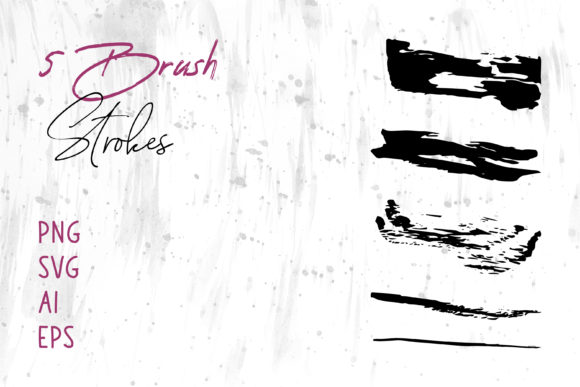
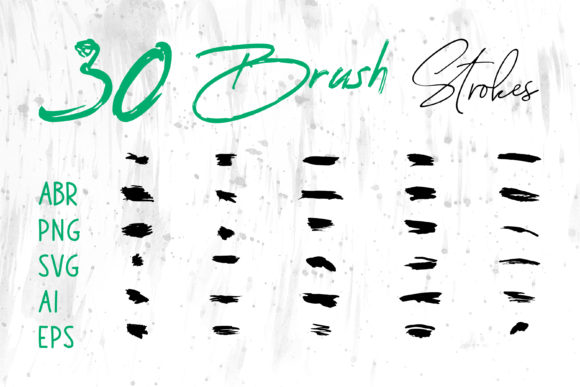
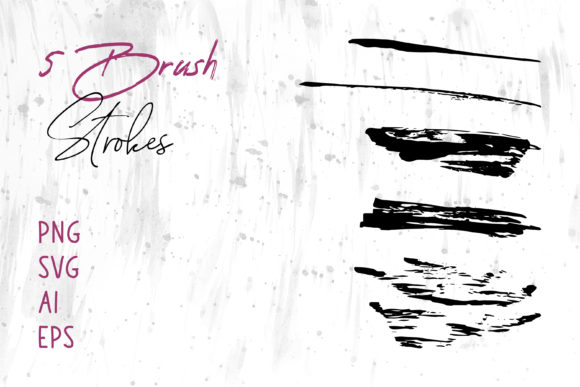
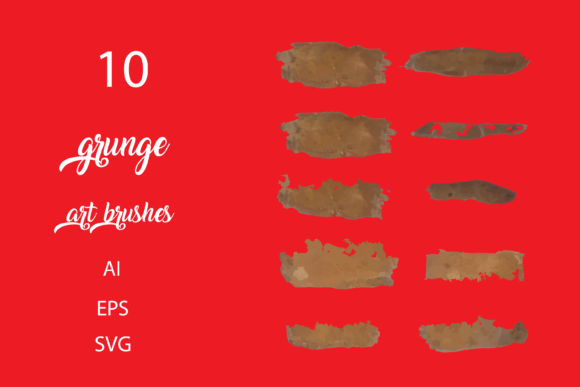
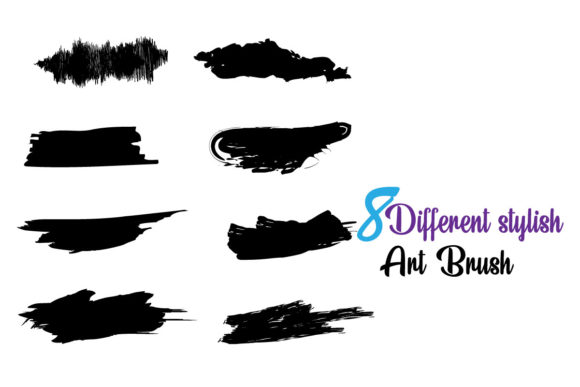
The Grunge Brush Stroke Collection immediately brings to mind the feeling of a studio floor covered in paint splatters or a hand-painted sign from a vintage boutique. The shapes feel organic, as if they were dragged across a canvas with a worn-out brush rather than drawn with a mouse. In the world of machine embroidery, where stitches can sometimes look too uniform or rigid, these designs offer a necessary break from perfection. They carry a rebellious energy that works beautifully for streetwear, bohemian home decor, and personalized gifts that need to stand out.
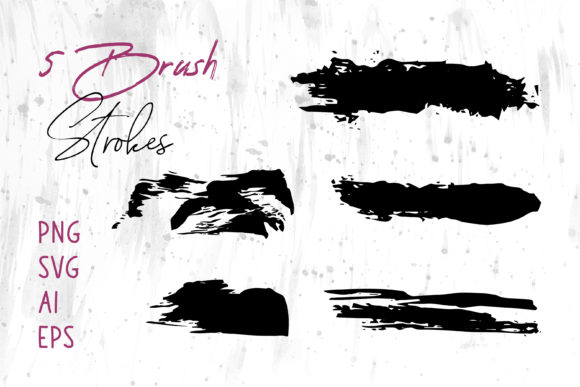
When you look at the included files—ranging from PNG to SVG, AI, EPS, and the specialized Brush Strokes.ai format—you realize the versatility here is built for the modern creative entrepreneur. You aren't just getting a static image; you are getting assets that can be manipulated in Adobe Illustrator, Photoshop, or InDesign before ever touching an embroidery machine. This flexibility allows me to tweak the stroke width, adjust the density, or integrate text seamlessly before converting the final artwork into a machine-readable embroidery file.
Real-World Application: The Custom Tote Bag Scenario
To truly understand how the Grunge Brush Stroke Collection performs, I put it through a practical test scenario recently. I was preparing a custom order for a local coffee shop owner who wanted branded tote bags for her holiday gift promotion. She didn't want the standard, clean serif font logo that every other shop uses. She wanted something that felt artisanal and edgy.
I imported the brush strokes into my digitizing software to create a background element for a large chest logo on heavy cotton canvas. The grunge texture added depth that flat fill stitches simply cannot achieve. By layering the brush strokes behind a bold, satin-stitched brand name, the design popped off the fabric without looking cluttered. The result was a finished product that felt expensive and thoughtfully curated. Customers holding the bag could almost feel the "handmade" quality, which is exactly what drives engagement and repeat sales in the handmade market.
Why It Works for Apparel and Accessories
This collection shines when applied to custom apparel like sweatshirts, t-shirts, and denim jackets. The rough edges of the brush strokes complement the natural wear and tear associated with casual clothing. On a sweatshirt embroidery project, the grunge aesthetic softens the transition between the design and the fleece fabric, making it look less like a sticker and more like part of the garment. Similarly, for tote bag design, these strokes work well as borders or corner accents, adding a splash of artistic flair to utilitarian items.
I also tested these assets on embroidered patches intended for caps and hats. While curved surfaces present challenges, the organic nature of the brush strokes helps mask any minor distortion that occurs during stitching on a rounded cap. However, this requires careful planning regarding the hoop size and the curvature of the hat. A straight-line design might warp visibly on a cap, but a fluid, brush-like shape flows with the curve naturally.
Where to Exercise Caution
While the Grunge Brush Stroke Collection is powerful, it is not a magic bullet for every situation. As an experienced reviewer, I must point out where this design style might struggle. If you are working with very small hoop sizes, such as those used for delicate baby embroidery on onesies or tiny wrist cuffs, the intricate details of the grunge strokes might get lost or merge together. Fine lines in a grunge design can become muddy if the stitch density is too high or the thread count is insufficient.
Fabric texture plays a massive role here. On thin, stretchy fabrics like lightweight jersey or silk, aggressive fill stitches combined with complex grunge textures can cause puckering. You will need a high-quality stabilizer to support the weight of the design. Furthermore, dark fabrics require a higher thread count or a underlay layer to ensure the colors pop. If you are using light-colored threads on a dark background, the grunge effect might lose its definition unless you use a dense satin stitch outline.
Another critical consideration is washability. Products like kitchen towels, aprons, and children's clothing undergo frequent washing. Designs with long, floating stitches or very fine, isolated details in the brush strokes may snag or fray over time. For these items, I recommend simplifying the design slightly or ensuring that the stitch density is optimized for durability. Always test your finished product on scrap fabric first to check how the threads behave against the specific material you are using.
Impact on Brand Value and Customer Trust
In the competitive landscape of craft business and Etsy seller markets, visual consistency is key. Using the Grunge Brush Stroke Collection consistently across your product line—from your printable mockups to your actual digital embroidery file previews—creates a cohesive brand identity. It signals to your buyers that you pay attention to detail and have a distinct artistic vision.
Customers today value transparency and authenticity. A design that looks like it was stamped on by a machine lacks the charm of a piece that shows character. The imperfections inherent in the grunge style actually build trust because they mimic the reality of handmade goods. When a buyer sees a personalized gift or a holiday embroidery item with this level of texture, they perceive higher value and are often willing to pay a premium for it.
Practical Designer Notes for Success
Before you start stitching up your next batch of small shop products, keep these essential tips in mind to maximize the potential of the Grunge Brush Stroke Collection:
- Test on Scrap Fabric: Never commit to a full production run without testing the design on a scrap piece of the same fabric and stabilizer combination you plan to use.
- Check Thread Contrast: Ensure your chosen thread colors provide enough contrast against the fabric. Grunge designs rely on shadow and light, which can be flattened if the color palette is too similar.
- Review Stitch Density: High-density fills can make fabric stiff. Adjust the density settings in your software to maintain the fabric's drape, especially for baby embroidery or wearable items.
- Inspect Small Details: Zoom in on your design to ensure no tiny elements will disappear during the digitizing process. If a stroke is too thin, it may not catch enough stitches to hold its shape.
- Verify Licensing: Confirm whether the license allows for commercial use if you are selling the finished items. Some design assets are for personal use only, and violating terms can lead to legal issues for your commercial embroidery projects.
- Mockup in Black and White: Convert your design to grayscale to see if the structure holds up without the distraction of color. This helps identify weak areas in the composition.
The Grunge Brush Stroke Collection is more than just a set of graphics; it is a tool for storytelling. Whether you are creating a unique embroidery project for a client, designing merchandise for your own brand, or crafting a heartfelt personalized gift, these brushes add a layer of sophistication and edge that elevates the entire piece. By understanding the nuances of how they stitch and where they fit best, you can turn a simple digital file into a standout physical product that resonates with your audience.