Watercolor Art Brush Collection: Premium Graphics for Sellers
As a digital product creator who has spent years refining listings on Etsy and managing print-on-demand shops, I know that the difference between a good shop and a great one often comes down to the quality of the design assets used. Recently, I evaluated a specific set of brush strokes titled the Watercolor Art Brush Collection. My goal was not just to admire the art, but to determine if this graphic design asset could be integrated into sellable products like printable wall art, sublimation designs, and commercial templates.
The first impression of the Watercolor Art Brush Collection is one of soft elegance mixed with organic texture. Unlike rigid vector shapes, these brushes capture the unpredictable flow of real paint. This gives them a distinct personality that feels handmade yet professional. For sellers targeting audiences interested in rustic weddings, feminine branding, or cozy home decor, this collection hits the mark immediately. It does not feel like a generic clipart bundle; it possesses a visual weight that suggests premium value.
File Versatility Across Creative Platforms
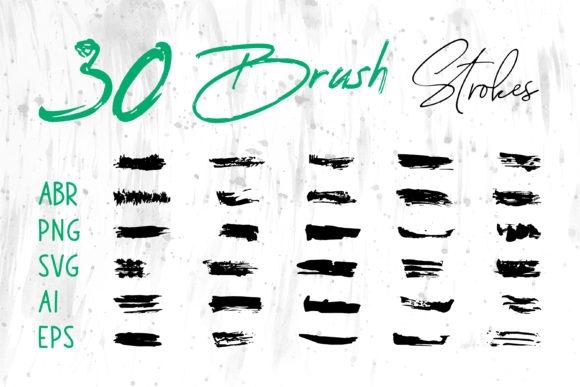
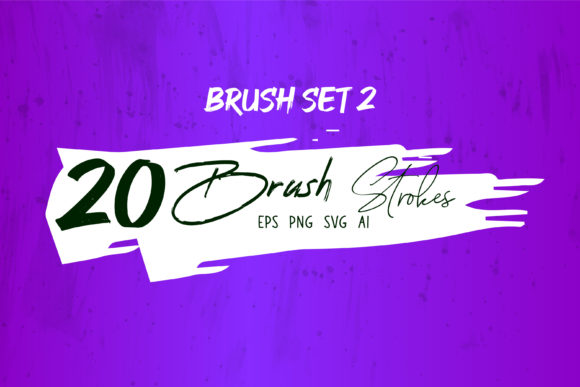
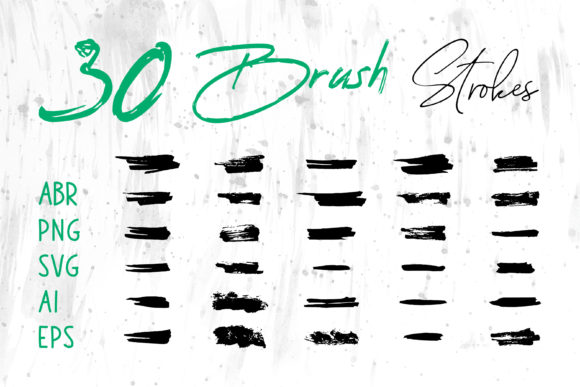
One of the most critical factors for any digital product seller is compatibility. When I unpacked the files for the Watercolor Art Brush Collection, I found a comprehensive suite of formats designed to work seamlessly across different software ecosystems. You receive brush strokes in various formats, ensuring you can utilize these tools regardless of your preferred creative environment.
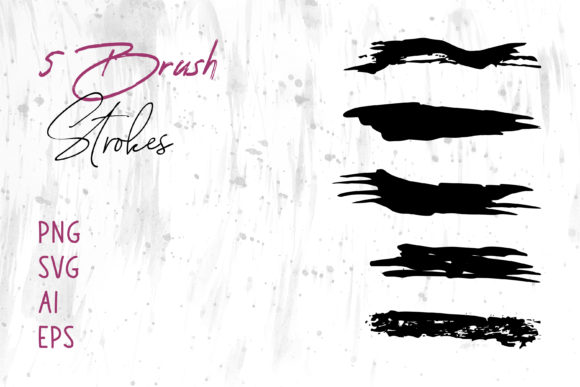
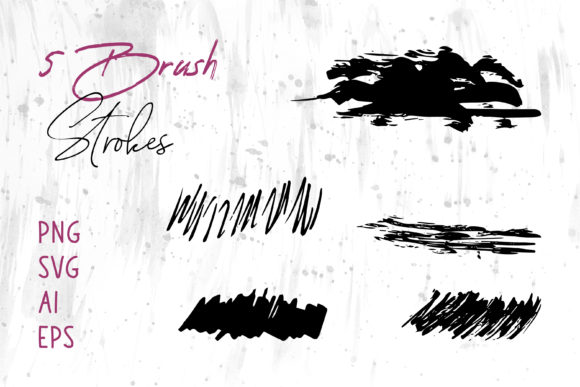
The inclusion of ABR files means Adobe Photoshop users can apply these strokes directly to their layers, while ProCreate users will find compatible files for iPad illustration. For those working with vector-based cutting machines, the SVG and AI files are essential. The presence of EPS and PNG files further expands the utility, allowing for high-resolution printing and transparent backgrounds for web use. Having access to Brush Strokes.ai files specifically for Illustrator ensures that even complex paths remain editable. This variety confirms that the asset is built for the modern creator who needs flexibility.
Real-World Applications for Online Shops
So, how does this design bundle translate into actual revenue? In my testing scenario, I imagined launching a new seasonal collection for a boutique shop. The Watercolor Art Brush Collection proved versatile enough to support a wide range of product categories.
- Printable Wall Art: By layering these watercolor strokes over textured paper backgrounds, I created instant gallery-style prints. These are perfect for nursery prints or living room accents where a soft, artistic touch is desired.
- Sublimation Designs: The vibrant, bleeding edges of the brushes work beautifully on mugs, tumblers, and tote bags. They add a splash of color that looks custom-made rather than mass-produced.
- Invitation Templates: For wedding or event planners, these brushes serve as excellent decorative elements in Canva templates. They frame text elegantly without overpowering the typography.
- Cricut Projects: Using the SVG files, I tested cut lines on sticker sheets. The paths were clean, making them ideal for crafting vinyl decals or intricate cardstock projects.
- Social Media Graphics: Bloggers and content creators can use these assets to create branded headers or Instagram story overlays that stand out from the standard geometric templates.
Enhancing Product Presentation and Brand Identity
In the crowded marketplace of creative marketplaces, visual hierarchy is everything. A well-designed product mockup can significantly increase click-through potential. The Watercolor Art Brush Collection offers a unique opportunity to elevate product presentation.
When creating listing images, using these brushes to frame a product photo adds an immediate sense of care and attention to detail. For example, placing a subtle watercolor border around a thumbnail image makes it look more cohesive and trustworthy compared to plain white backgrounds. This contributes to perceived value, signaling to the buyer that the item inside is high-quality.
Furthermore, consistency is key for small business branding. If a seller specializes in "boho" or "modern farmhouse" aesthetics, maintaining a consistent use of watercolor textures helps build a recognizable brand identity. These graphics act as a visual anchor that ties together diverse products, from digital downloads to physical merchandise.
Strategic Placement and Potential Pitfalls
While the asset is powerful, it is not a one-size-fits-all solution. There are specific scenarios where the Watercolor Art Brush Collection requires careful handling to avoid compromising the final product.
For instance, when designing tiny sticker details, large, loose brush strokes might overwhelm the small canvas. In such cases, scaling down too much can result in muddy edges that lose definition. Similarly, in overly complex layouts with heavy text, the organic nature of the brushes might clash with structured typography, disrupting the visual flow.
Contrast is another vital consideration. On dark backgrounds, light watercolor tones may disappear unless carefully adjusted or outlined. Additionally, for products requiring precise cutting lines, such as detailed die-cuts for Silhouette machines, sellers must inspect the SVG cut quality closely. While generally clean, some complex brush tips may need manual cleanup to ensure a smooth cut path.
Practical Seller Notes for Testing and Launch
Before publishing any listing featuring this asset, I recommend a rigorous testing phase. First, test the design on real mockups. Does the watercolor texture look realistic on a fabric t-shirt mockup, or does it appear flat? Second, preview the design as a marketplace thumbnail. At a small size, do the colors still pop, or do they blend into a gray blob?
Check how the asset performs on both white and dark backgrounds. Verify PNG transparency to ensure no white boxes surround the brush strokes. If selling SVG files, inspect the cut quality to ensure there are no stray points that could cause cutting errors. Confirm file resolution is sufficient for print-on-demand standards, typically 300 DPI for raster images.
Organization matters for customer satisfaction. Ensure the files are organized clearly within the download folder so buyers can easily find their ABR, SVG, or PNG files. When pairing these graphics with typography, experiment with different font styles. A serif font can complement the classic feel of watercolor, while a script font can enhance the romantic vibe. However, avoid using too many handwritten fonts that compete with the organic brush strokes.
Finally, always confirm the commercial license before selling finished products. Understanding the terms of use protects your business and ensures you can legally monetize the commercial design you create. With the right preparation, the Watercolor Art Brush Collection can become a cornerstone asset for a profitable line of digital and physical goods.