Watercolor Brush Stroke Set Review
As a designer who has spent years translating digital art into stitched reality, I approach every new embroidery design with a mix of excitement and skepticism. The market is flooded with graphics that look stunning on a screen but fall apart under the needle. Today, I am putting the Watercolor Brush Stroke Set through its paces to see if it holds up in a real-world scenario. This isn't just about downloading a file; it is about understanding how these specific Graphics translate into a tangible, high-value product for your craft business or personal projects.
The First Impression: Mood and Visual Personality
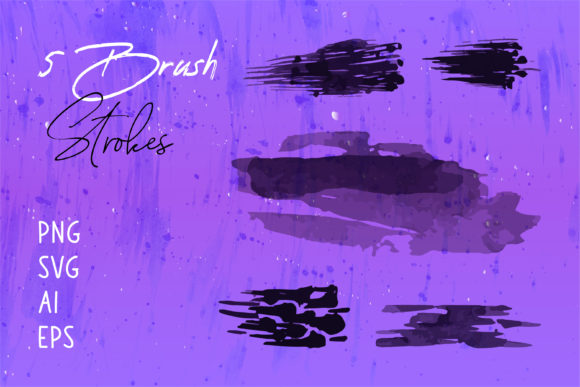
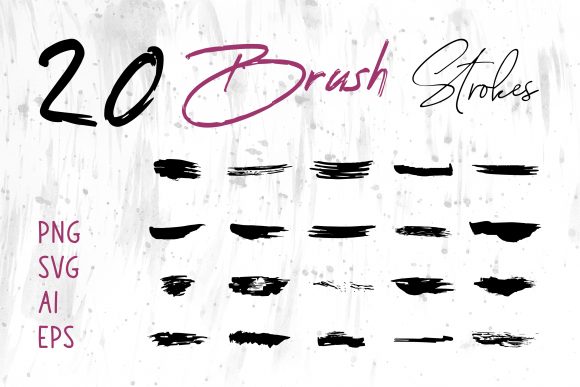
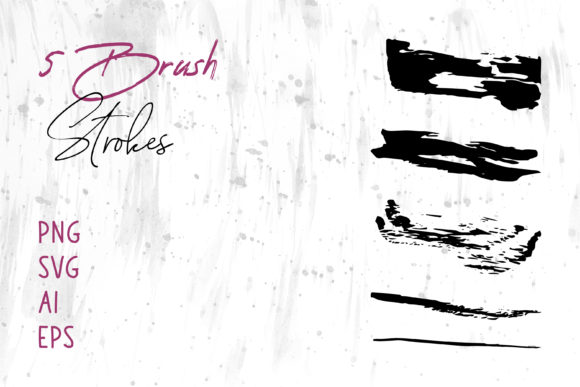
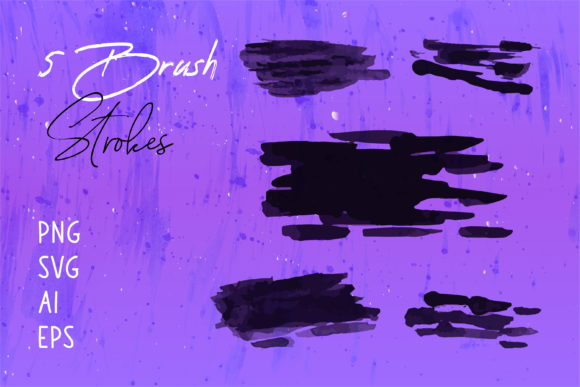
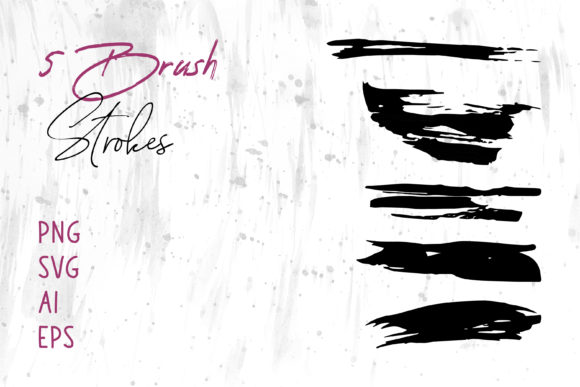
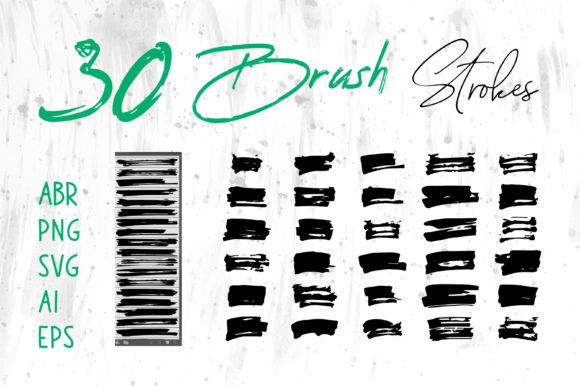
When you first open the Watercolor Brush Stroke Set, the immediate feeling is one of fluidity and organic movement. Unlike rigid geometric shapes or stiff clipart, these brush strokes mimic the unpredictable nature of wet paint on paper. For an embroidery artist, this is a double-edged sword. The charm lies in the soft edges and varying opacity, which can create a sophisticated, hand-painted look when stitched. However, the challenge is capturing that "wet" feel without the thread looking muddy or undefined.
The visual personality of this set is versatile yet distinct. It feels less like a corporate logo and more like a boutique brand mark or a thoughtful gift tag. It naturally belongs in projects that require a touch of elegance and artistic flair. Whether you are designing for a nursery, a wedding invitation suite, or a trendy tote bag, the Watercolor Brush Stroke Set offers a mood that is both modern and timeless. It avoids the cluttered look of busy patterns, making it perfect for minimalist designs where negative space is just as important as the stitching itself.
Real-World Application: The Custom Tote Bag Scenario
To truly evaluate the Watercolor Brush Stroke Set, let's imagine a practical use case. You are preparing for a local craft fair and need to create a line of custom embroidered tote bags. These aren't just plain canvas sacks; they are meant to be premium items sold at a higher price point to support your small shop. You decide to use the brush strokes from this set to create a focal point on the front of the bag, perhaps accompanied by a simple script font.
In this scenario, the Watercolor Brush Stroke Set shines. The organic lines break up the monotony of standard block lettering. When stitched onto a sturdy cotton canvas, the varying thickness of the strokes adds texture and depth. Customers walking by the booth will notice the unique, artistic quality of the design. It elevates a simple tote bag into a piece of wearable art. The design works exceptionally well for holiday gifts, baby items, and personalized aprons because it conveys a sense of care and creativity that mass-produced goods lack.
However, the success of this project depends heavily on execution. If you stitch these brush strokes too densely, you risk losing the delicate watercolor effect, turning them into solid blobs of thread. The key is to balance the fill stitches to allow the fabric texture to peek through slightly, maintaining that airy, painted aesthetic.
Where to Use (and Where to Pause)
While the Watercolor Brush Stroke Set is highly adaptable, it is not a universal solution for every embroidery situation. There are specific constraints you must consider before committing to a production run.
- Hoop Size and Detail: Because these are brush strokes, they often contain fine details and thin lines. Attempting to stitch these in a very small hoop size might result in lost details or thread breaks. If you are working on a cap or a tight patch, test the smallest elements first to ensure they remain visible after stitching.
- Fabric Texture and Stability: The beauty of watercolor textures relies on smooth transitions. On rough fabrics like heavy denim or thick wool, the definition of the brush strokes may get lost. Similarly, on stretchy knits used for t-shirts or sweatshirts, the tension required to hold the shape of the strokes can cause puckering. Always use the proper stabilizer to counteract this.
- Dark Fabrics: Light-colored brush strokes on dark fabric can sometimes appear dull unless you use a high-quality underlay or a specific thread choice. The contrast needs to be sharp enough to maintain the clarity of the design.
- Dense Stitch Areas: If you plan to layer this design over text or other dense fills, be cautious. Too much density can make the finished product stiff and uncomfortable, especially on items like pillow covers or blankets that need to remain soft to the touch.
Impact on Product Value and Brand Consistency
In the world of Etsy sellers and creative entrepreneurs, the perceived value of your product is directly tied to the quality of the design. A generic, low-resolution graphic screams "cheap," while a well-executed embroidery design like the Watercolor Brush Stroke Set signals professionalism. When customers receive a handmade product with such attention to detail, their trust in your brand increases.
This set allows for strong brand consistency. You can use these same brush strokes across different products—tote bags, patches, and even printable mockups for your online store—to create a cohesive visual identity. The organic nature of the strokes makes your brand feel approachable and human, which is exactly what buyers are looking for in the handmade market. It transforms a standard commercial embroidery project into something that feels curated and special.
Practical Designer Notes for Success
Before you load this embroidery file into your machine, there are critical steps to take to ensure your finished product meets your standards. Do not skip the testing phase.
- Test on Scrap Fabric: Always run a test stitch on a scrap piece of the exact fabric you intend to use. This helps you gauge how the threads interact with the material and reveals any potential issues with tension or stability.
- Check Thread Color Contrast: Watercolor effects rely on subtle shifts in tone. Choose thread colors that complement the intended mood. High contrast might look harsh, while low contrast might wash out the design. Experiment with variegated threads to enhance the watercolor illusion.
- Review Stitch Density: Inspect the density settings in your software. If the design is too dense, it will be difficult to stitch and may damage the fabric. If it is too sparse, the design may look unfinished.
- Confirm Licensing: If you are using the Watercolor Brush Stroke Set for commercial purposes, such as selling finished embroidered goods or digital assets, verify the licensing terms provided with the download. Ensure you have the right to sell products made with these files.
- Inspect Small Details: Zoom in on the design before stitching. Look for tiny corners or thin lines that might not transfer well to the fabric. You may need to manually adjust the digitization to thicken these areas for better visibility.
- Mockup Testing: Create black and white mockups to check the silhouette of the design. Sometimes color can hide structural flaws, so seeing the design in grayscale helps you assess the balance and flow.
The Watercolor Brush Stroke Set is a powerful tool for designers who want to add a touch of artistic sophistication to their work. It bridges the gap between digital illustration and traditional craftsmanship. By understanding its strengths and limitations, you can leverage these design assets to create standout pieces that resonate with your audience. Whether you are decorating a baby onesie or branding a boutique line, this set offers the flexibility and visual appeal needed to elevate your craft business.
Remember, the best embroidery projects come from thoughtful planning. Take the time to prepare your materials, test your setup, and let the organic beauty of the brush strokes guide your creative process. With the right approach, the Watercolor Brush Stroke Set can become a staple in your toolkit for creating memorable, high-quality handmade products.