Brush Strokes Set, Ink Brush Review for Real Embroidery
As a designer who spends hours tweaking stitch densities and testing thread colors on everything from delicate silk to rugged denim, I approach every new digital asset with a mix of excitement and skepticism. When I first opened the Brush Strokes Set, Ink Brush, my immediate reaction wasn't about the file formats—it was about the mood. This isn't just a collection of random lines; it captures the fluidity of wet ink drying on paper. It feels organic, slightly imperfect, and incredibly human. In a world of perfectly symmetrical vector shapes, this set offers something that screams "handmade," which is exactly what we are trying to achieve in machine embroidery.
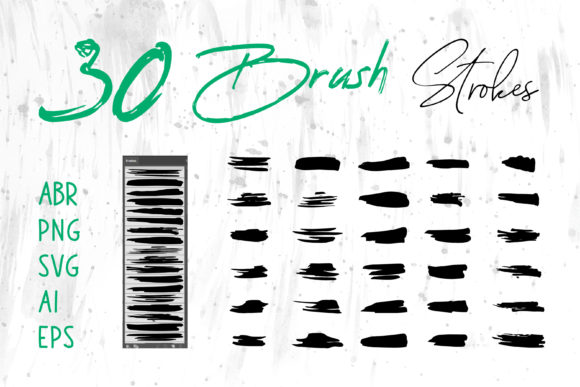
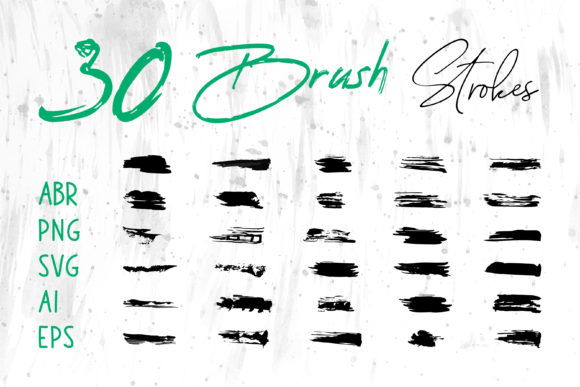
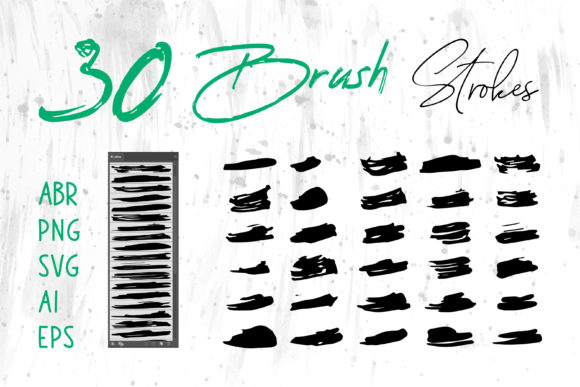
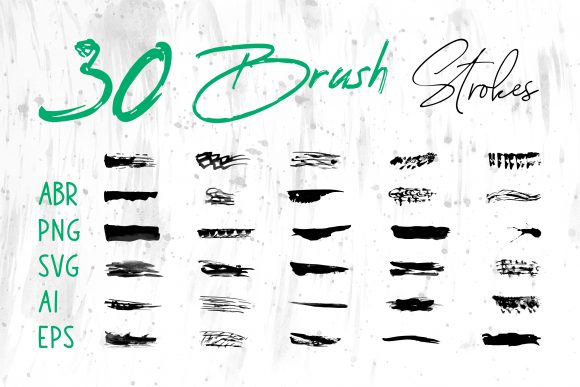
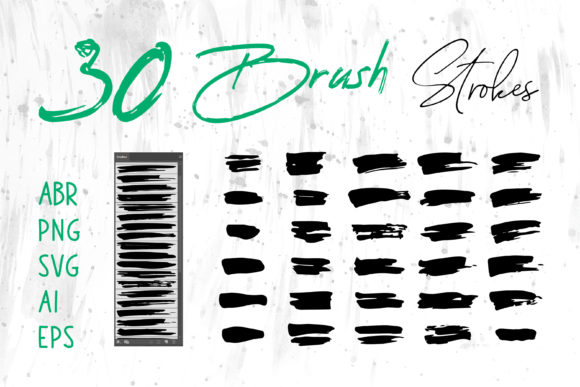
The product description mentions a wide array of files including ABR, Photoshop, ProCreate, PNG, SVG, AI, and EPS. While these are fantastic for creating mockups and digital listings, the true test for an embroidery designer lies in how those digital strokes translate into thread. I am evaluating this specifically as a machine embroidery design source. If you are looking to turn these brush strokes into a physical embroidery file for your customers, you need to understand how the "ink" look translates to satin and fill stitches.
From Digital Canvas to Thread: The First Stitch
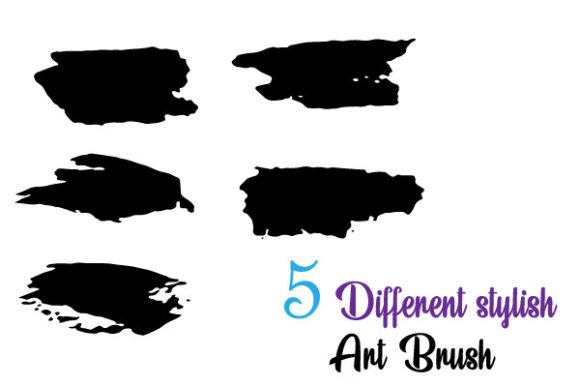
The visual personality of Brush Strokes Set, Ink Brush is bold yet expressive. Imagine taking a traditional calligraphy stroke and translating it into a series of tight satin stitches or a textured fill. The natural flow of the design suggests movement, making it perfect for projects where you want the fabric to feel alive rather than static. For a small business owner or an Etsy seller, this aesthetic bridges the gap between modern graphic design and traditional craft. It elevates a simple tote bag into a piece of wearable art.
I recently considered using this design for a custom embroidered tote bag project for a local coffee shop. The client wanted something that felt artisanal but modern. The brush strokes concept fit perfectly. Unlike a rigid logo, these strokes allow for a dynamic placement on the fabric. You can run them diagonally across a canvas tote, mimicking the way paint might drip down a wall, or cluster them near a pocket to create a focal point. The key here is the stitch density. Because the original design mimics ink, it likely has varying line widths. In embroidery, thick lines require careful digitizing to prevent puckering, while thin lines need to be sturdy enough to hold their shape after washing.
Real-World Application: Where These Designs Shine
This design set is versatile, but it shines brightest when applied to products that benefit from a personal touch. Let's talk about baby items. A baby embroidery project often requires softness and warmth. Using the Brush Strokes Set, Ink Brush on a cotton onesie or a receiving blanket creates a gentle, artistic vibe that parents love. It feels less like a factory stamp and more like a bespoke creation. The irregular nature of the brush strokes adds character, making each finished product unique even if the design is identical.
For holiday gifts, the possibilities expand further. Think of embroidered kitchen towels or aprons featuring these ink-like strokes. The design works beautifully as a decorative accent rather than a full-face logo. You could place a single, sweeping stroke on the corner of a tea towel, leaving plenty of negative space. This approach respects the fabric texture and ensures the design doesn't overwhelm the item. Similarly, for custom apparel like sweatshirts, these strokes can frame a neckline or run down a sleeve, adding a trendy, streetwear-inspired element without being too aggressive.
Digital sellers will also appreciate the utility of these assets. Before committing to a physical production run, you can use the included PNG and SVG files to create printable mockups. This allows you to visualize how the design looks on different backgrounds, helping you decide on the best thread colors. If you are selling digital designs yourself, having the source files means you can adapt the graphics for various software, ensuring compatibility whether your clients use Adobe Illustrator or other vector tools.
Where to Proceed with Caution
While the aesthetic is strong, practical limitations exist. Not every surface is suitable for this specific style. If you are working with small hoop sizes, such as those used for hats or caps, you must be very careful. The curves of a cap can distort the fluid lines of a brush stroke, potentially ruining the intended "ink" effect. On a curved surface, a straight stroke might look bent, and a tapered end might look blunt. For embroidered patches or hat embroidery, I recommend simplifying the design or selecting only the thickest, most robust strokes from the set.
Fabric choice is another critical factor. Textured fabrics, like heavy corduroy or boucle wool, can hide the fine details of the brush strokes. The thread might get lost in the weave, resulting in a muddy appearance. Conversely, on stretchy fabrics like jersey knit, the tension required for the satin stitches needed to replicate the ink lines could cause significant puckering unless you use a high-quality stabilizer and perhaps a cutaway backing. Dark fabrics present their own challenge; to make the strokes pop, you may need a dense underlay or a contrasting background patch, which adds time and complexity to the project.
Also, consider the durability aspect. Projects that require frequent washing, like work aprons or children's clothing, need robust stitching. If the brush strokes are digitized with very long stitch lengths or sparse coverage, they may fray over time. Always inspect the small details and ensure the stitch density is sufficient to withstand the wear and tear of daily use.
Practical Designer Notes for Success
If you are ready to integrate Brush Strokes Set, Ink Brush into your workflow, here is my advice based on real project experience. First and foremost, test the design on scrap fabric before cutting into your final material. This is non-negotiable. You need to see how the thread interacts with the specific fabric you are using. Check the color contrast carefully; sometimes a color that looks vibrant on screen appears dull once stitched due to thread sheen differences.
Review the stitch density closely. If the original design has very fine, hairline details, you may need to adjust the digitizing settings to ensure they don't break during the sewing process. Confirm your hoop size matches the dimensions of your design; a design that is too large for your machine's hoop will require multiple setups, increasing the risk of misalignment. Use proper stabilizer—cut-away for stability on knits and tear-away for wovens, depending on the project requirements.
Don't forget to test in black and white mockups. This helps you assess the value and legibility of the design without the distraction of color. Compare how it looks on light versus dark backgrounds to ensure versatility. Finally, verify the licensing terms. Even though the product includes various file formats like AI and EPS, you must confirm whether you are allowed to sell finished items created with these designs commercially. Some licenses restrict the number of units you can produce or prohibit resale entirely.
In conclusion, Brush Strokes Set, Ink Brush is a powerful tool for designers looking to add an artistic, handcrafted flair to their products. It fits seamlessly into the narrative of the modern crafter, offering a bridge between digital creativity and tactile craftsmanship. Whether you are creating personalized gifts, boutique branding, or commercial embroidery projects, this set provides the foundation for high-quality, visually appealing results. Just remember to respect the fabric, plan your stabilization, and always test before you sew. With the right approach, these brush strokes can transform a simple garment into a cherished keepsake.