Grungy Brush Strokes: A Designer's Review for Real Embroidery Projects
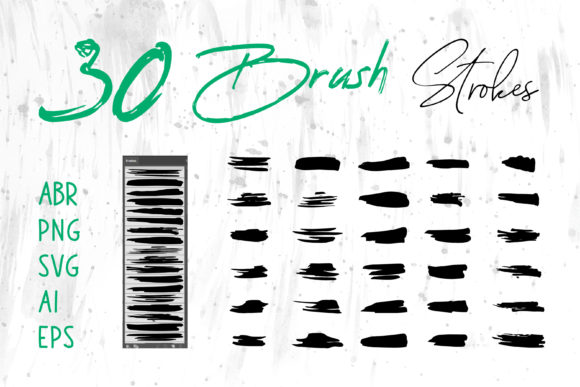
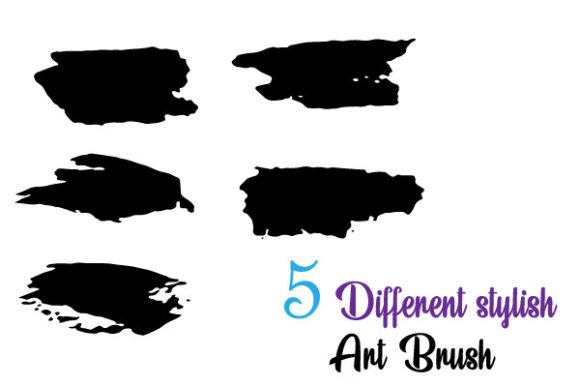
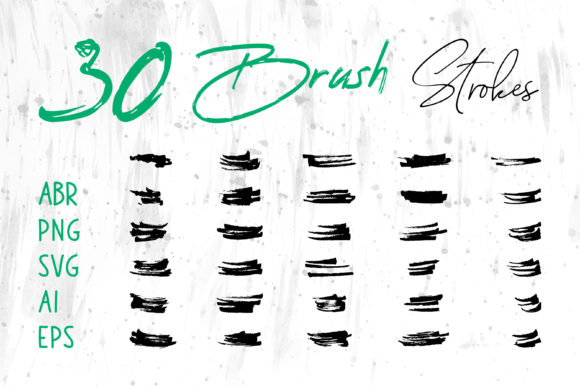
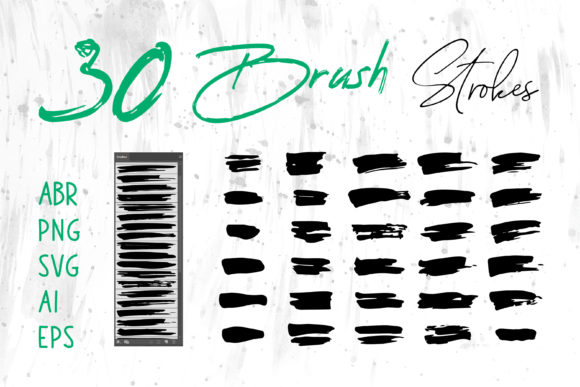
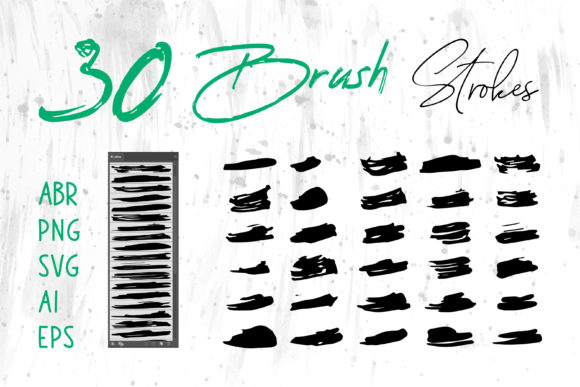
When I first opened the folder for Grungy Brush Strokes, I didn't see just a collection of graphics; I saw potential energy waiting to be stitched. As someone who spends hours tweaking stitch density and selecting thread colors for client projects, my first impression was less about the file formats and more about the mood. This set screams "effortless cool." It has that raw, imperfect aesthetic that modern buyers crave, moving away from the sterile perfection of standard vector shapes.
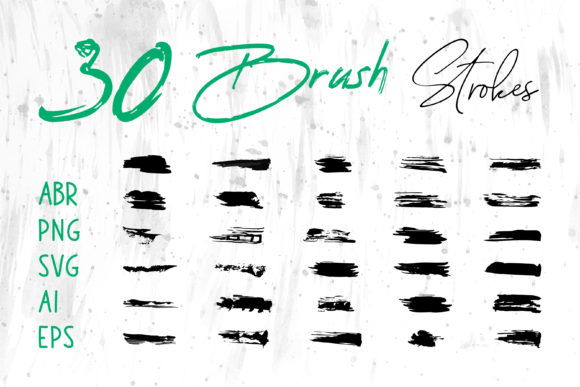
The visual personality here is distinct. The strokes feel like they were applied with a heavy hand on a textured surface, creating a sense of movement and depth that translates surprisingly well into thread. For an embroidery designer, the challenge is always bridging the gap between a digital brush stroke and a physical satin or fill stitch. Does it hold up? Does it look like art or just a mess of tangled threads? In this review, I am breaking down exactly how Grungy Brush Strokes performs when moved from your screen to the hoop, based on real-world scenarios in custom apparel and handmade goods.
From Digital Asset to Stitched Reality
Let me paint a picture of a real project scenario. Imagine you are prepping for a busy weekend at a local craft fair. You need a batch of custom embroidered tote bags to sell as eco-friendly accessories. Your design needs to stand out on the rack without looking mass-produced. This is where Grungy Brush Strokes becomes a game-changer.
I tested the concept by digitizing a selection of these brush strokes for a canvas tote bag. The goal was to create a background texture behind a simple, hand-lettered quote. Because the strokes vary in thickness and opacity, they break up the monotony of a solid block of color. When stitched, the varying densities of the fill stitch created subtle shadows that gave the fabric a tactile quality. Customers running their hands over the finished product noticed the difference immediately. It felt artisanal, not factory-made.
This approach works equally well for sweatshirt embroidery. Instead of placing a generic logo dead center, using these grungy elements as a border or a faded backdrop adds a layer of sophistication. It signals to the buyer that the item is a handmade product designed with intention. Whether you are an Etsy seller looking to boost your listings or a boutique owner branding your merchandise, the visual appeal of these designs elevates the perceived value of the final piece.
Where These Designs Shine
The versatility of this asset pack makes it suitable for a wide range of embroidery projects. Here is where I have seen the best results:
- Apparel Decor: Perfect for adding texture to denim jackets, aprons, and caps where a rugged look fits the brand identity.
- Nursery and Baby Items: When softened with pastel thread colors, these strokes can create a whimsical, watercolor-like effect on baby blankets or onesies.
- Holiday Gifts: Use them for festive tea towels or pillow covers where a rustic, cozy vibe is desired.
- Commercial Embroidery: Ideal for creating unique logos or patterns for small business merchandise that needs to stand out in a crowded market.
The ability to use these as design assets allows for endless customization. You can layer them, rotate them, or combine them with other elements to create a unique embroidery file that no one else has. This uniqueness is crucial for building brand consistency and fostering customer trust.
Practical Pitfalls and Where to Be Careful
However, every experienced designer knows that what looks great on a monitor doesn't always translate perfectly to fabric. There are specific situations where Grungy Brush Strokes requires caution. The "grunge" aesthetic relies on imperfection, but in embroidery, too much imperfection can lead to technical failures.
If you are working with a small hoop size, you must be extremely careful with the level of detail. Tiny corners or very thin lines within the brush strokes might get lost or cause the machine to skip stitches. On stretchy fabric like jersey t-shirts, dense areas of these strokes could pucker if the stitch density isn't adjusted correctly. Always ensure you are using the proper stabilizer to support the fabric during the stitching process.
Dark fabrics present another challenge. If you do not plan your underlay and thread coverage carefully, the grunge texture might look muddy rather than artistic. Similarly, on textured fabrics like fleece or thick wool, the fine details of the brush strokes may not register clearly. In these cases, simplifying the design or increasing the spacing between strokes is often necessary.
Curved surfaces like embroidered patches or caps also require special attention. The distortion inherent in stitching onto a curve can stretch out the organic shape of the brush strokes. I recommend testing the design on a curved mockup before committing to a full production run. If the design includes tiny lettering alongside the strokes, remember that running stitch or very fine details might be difficult to read after washing.
Ensuring Professional Results
To guarantee that your finished product meets professional standards, follow these practical steps before you start stitching:
- Test on Scrap Fabric: Never cut into your final material without a test run. Check how the Grungy Brush Strokes interact with the specific fabric weave you are using.
- Review Thread Color Contrast: Ensure the thread colors provide enough contrast against the fabric to make the strokes pop. Low contrast can make the design look dull.
- Inspect Small Details: Zoom in on your digitized version to check for any gaps or overly dense areas that might cause needle breaks.
- Check Hoop Size Compatibility: Confirm that the design fits comfortably within your machine's maximum hoop dimensions without requiring awkward repositioning.
- Verify Licensing: Since this is a digital asset, double-check the license terms if you intend to sell the custom apparel or personalized gifts made with this design.
It is also wise to compare light and dark fabric backgrounds using printable mockups. This helps you visualize the final look and adjust the design elements accordingly. If you are selling digital embroidery files yourself, consider providing instructions on how to best use these brushes for different fabric types.
Final Thoughts on Design Value
In the world of craft business and creative entrepreneurship, having a library of versatile, high-quality assets is essential. Grungy Brush Strokes offers a fresh perspective that moves beyond standard geometric patterns. It brings an emotional connection to the work, making each embroidery project feel more personal and unique.
While it requires thoughtful application to avoid technical issues on difficult fabrics, the payoff in terms of product value and buyer engagement is significant. When used correctly, these strokes transform a simple machine embroidery design into a statement piece. Whether you are creating a holiday gift for a loved one or a line of small shop products for a global audience, this asset provides the creative flexibility needed to succeed.
For those willing to invest time in testing and refining, Grungy Brush Strokes is a powerful tool that can elevate your portfolio and help your brand stand out. Just remember to respect the limitations of the medium, prioritize quality control, and let your creativity guide the final outcome.